Chapter 5 — Season & events
Seasons & events
Whenever you come, the island wears the color of its season — from a festival day kept up for more than 250 years to a winter the color of mikan.
Twelve months on the island.
Follow it sideways for a year on the island. Event dates can shift from year to year, so please check before you travel.
1 mo.
Peak citrus. Buy mikan straight off the tree at farm stands and roadside stalls.
2 mo.
Setoka, kanpei and other premium citrus come into season one after another.
3 mo.
Spring in the air. The start of the best season for walking and fishing.
4 mo.
The cherry trees in Kadota Park come into full bloom.4/20–21 Shima Shikoku
5 mo.
Mikan blossom scents the whole island — the sweetest month of all.
6 mo.
A music event in the pool of a closed school.Gogoshima Music Pool
7 mo.
Into the real sea season.Beach huts at Washigasu & Aikogahama
8 mo.
Peak swimming season.Mitsuhama fireworks from Koibito-toge
9 mo.
The sea is still warm — a fine season for fishing and cycling.
10 mo.
A rite held out on the water.1st Sat: Funaodori
11 mo.
The hills start turning mikan-orange as harvest comes on.
12 mo.
A quiet island winter. The sea off Kotohiki and Kitaura looks deeper now.
A different island each season.
Spring
The cherry trees in Kadota Park come into full bloom. April 20 and 21 are Shima Shikoku, the island's own pilgrimage festival, kept up for more than 250 years. Islanders welcome the walkers doing the island's 88 stations with osettai, offerings of food and drink. In May, mikan blossom scents the whole island.
Summer
The season of the sea. Shallow Washigasu and Aikogahama, where you can also try water sports, each open a beach hut. June brings the “Gogoshima Music Pool” event at the closed school's pool. In August, the Mitsuhama fireworks across the water are visible from Koibito-toge pass at the island's southern tip.
Autumn
The first Saturday of October is Funaodori, the boat dance. Out on the water in front of Wakehime Shrine in Funakoshi, dancers move to drums and wooden clappers on a stage built across lashed-together boats — a rite designated an Intangible Folk Cultural Property by Ehime Prefecture. In the hills, the groves are slowly turning mikan-orange.
Winter
Peak citrus. Mikan picked that morning fill the farm stands and roadside stalls. The sea off Kotohiki and Kitaura looks a shade deeper — the island's quiet season.
MemoFishing, walking, climbing Mt. Kofuji and cycling are all year-round. Event dates can shift from year to year, so please check before you travel.
A stage on the water.
On the night of Funaodori, a stage of lashed-together boats floats on the sea at Funakoshi. Drums and clappers carry over the waves and the dancers' shadows sway — a night on the island that only those who stay see through to the end.
Held on the first Saturday of October, in front of Wakehime Shrine.
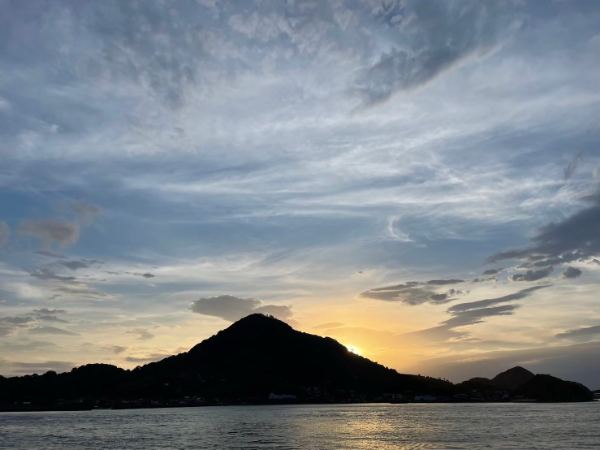
In summer, to the beach.
Washigasu beach shelves gently and is popular with families. At low tide a “sand road” appears that you can walk out along. Aikogahama has a swimming area marked off with buoys, and water sports as well. Both open beach huts in summer, serving hijiki tempura, island octopus dishes and gear-free barbecues.
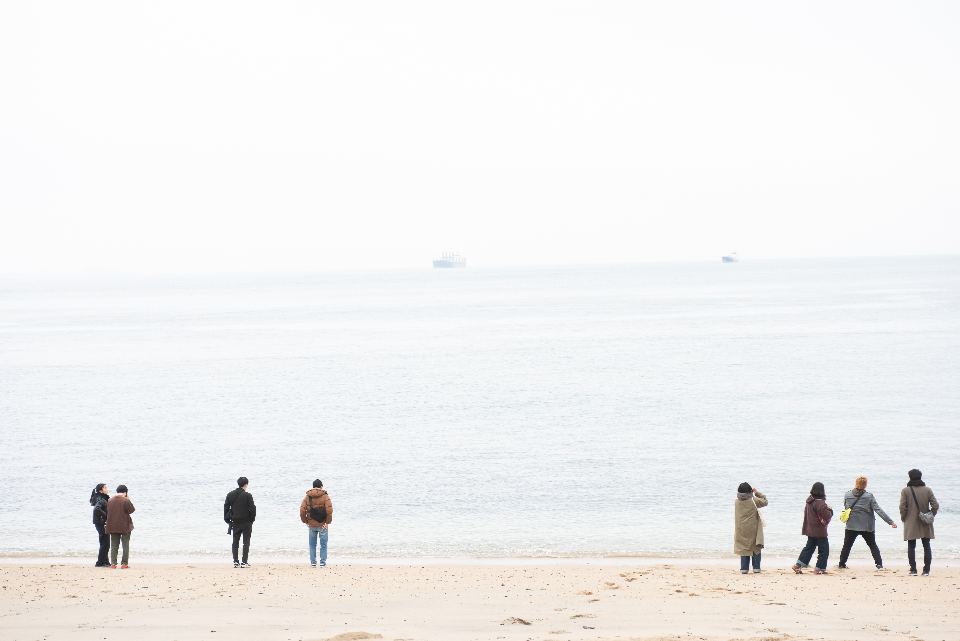
Stay in step with the season.
Spring at Shima Shikoku, summer under the fireworks, autumn at the boat dance. Stay the night and you get the hush after the festival, too.
See the houses